
Spring (March to May): Cherry Blossoms and Pleasant Weather
Why Visit in Spring?
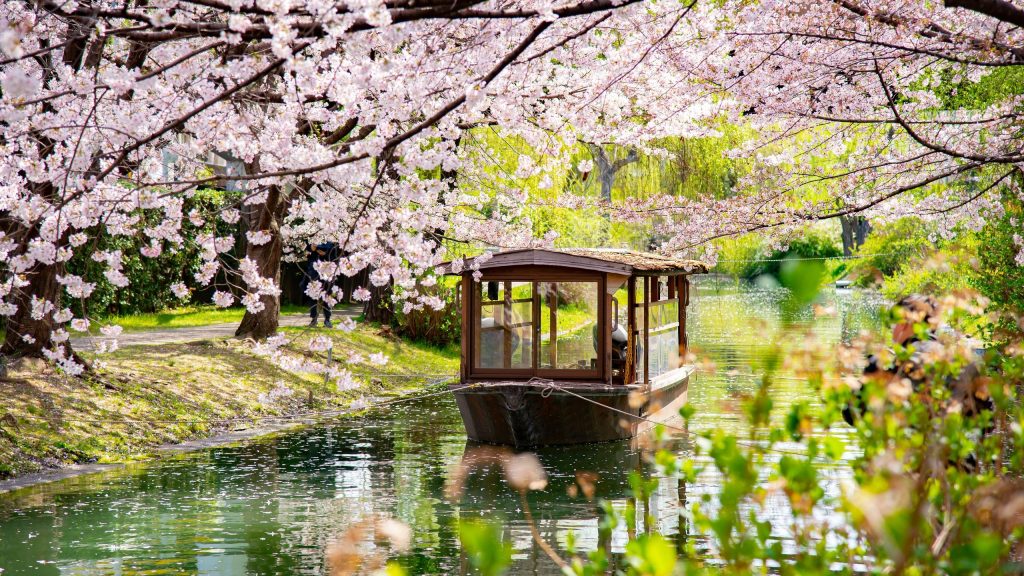
Spring is one of the most popular and celebrated seasons in Japan. As winter recedes, the country begins to bloom—literally. Cherry blossoms, or sakura, create a magical pink canopy across cities, parks, and countryside. It’s a time of renewal and celebration, and Japan embraces it wholeheartedly.
Highlights:
- Cherry Blossom Season (Late March to Early April): The ultimate spring experience. Popular spots like Tokyo’s Ueno Park, Kyoto’s Philosopher’s Path, and Osaka Castle become flower-filled wonderlands.
- Hanami Parties: Locals gather under the blossoms for picnics and parties, giving you a cultural and social experience.
- Ideal Weather: Average temperatures range from 10°C to 20°C (50°F to 68°F)—perfect for sightseeing.
- Festivals: Spring hosts iconic events like the Takayama Spring Festival and the Miyako Odori in Kyoto.
Tips:
- Book early. Hotels and flights get packed during cherry blossom season.
- Check the Japan Meteorological Agency’s forecasts to catch the peak bloom.
Summer (June to August): Festivals, Fireworks, and Mountain Escapes
Why Visit in Summer?
Japan’s summer is hot and humid, but also vibrant, energetic, and full of life. It’s the best time to experience traditional festivals, mountaineering, and rural landscapes.
Highlights:
- Matsuri Season: Cities come alive with colorful festivals like the Gion Matsuri in Kyoto, Tenjin Matsuri in Osaka, and Nebuta Matsuri in Aomori.
- Fireworks Shows: Hanabi taikai are held across the country, with locals dressing in yukata and enjoying street food under the summer sky.
- Hiking & Nature: Head to the Japanese Alps, Mount Fuji (open for climbing in July and August), and Hokkaido’s national parks for cooler temperatures.
- Beach Destinations: Okinawa and the Izu Peninsula offer tropical vibes, snorkeling, and diving.
Things to Consider:
- Weather: June is the rainy season (tsuyu), especially in central and southern Japan. It’s less rainy in Hokkaido.
- Heat and Humidity: July and August can be intense—temps can exceed 35°C (95°F).
- Obon Week (Mid-August): A major holiday when many Japanese travel, leading to crowded transport and accommodations.
Autumn (September to November): Fall Foliage and Tranquil Beauty
Why Visit in Autumn?
Autumn in Japan is breathtaking. The crisp air, golden temples surrounded by red maple leaves, and the scent of roasted chestnuts create an unforgettable atmosphere. If you love nature and photography, this is your season.
Highlights:
- Koyo Season: From late October to early December, Japan’s landscapes turn fiery red, orange, and yellow. Kyoto’s Arashiyama and Nikko National Park are must-visits.
- Cultural Events: Autumn brings a wealth of festivals, tea ceremonies, and food fairs.
- Mild Weather: Temperatures range from 12°C to 25°C (54°F to 77°F), making it great for exploring cities and countryside alike.
- Seasonal Cuisine: Enjoy autumn delicacies like matsutake mushrooms, persimmons, and sweet potatoes.
Tips:
- Avoid the Silver Week (late September), a cluster of public holidays that can lead to busy travel periods.
- Autumn foliage peaks at different times depending on location—check regional guides for the best dates.
Winter (December to February): Snow, Serenity, and Hot Springs
Why Visit in Winter?
Winter turns Japan into a serene wonderland, particularly in the northern regions. It’s the best time to hit the slopes, soak in an onsen, or experience Japan’s quieter, more introspective side.
Highlights:
- Skiing and Snowboarding: Head to Niseko, Hakuba, or Nozawa Onsen for world-class powder snow.
- Snow Festivals: Don’t miss the Sapporo Snow Festival (early February), with massive ice sculptures and illuminated displays.
- Onsen Culture: Winter is prime season for hot springs. Visit places like Beppu, Kusatsu, or the snow-surrounded outdoor baths in Yudanaka.
- Winter Illuminations: Cities like Tokyo and Kobe light up with massive LED displays and romantic winter lights.
Weather Notes:
- Cold Temperatures: Can drop below freezing in northern and mountainous regions, especially Hokkaido.
- Dry and Clear: Winter skies are often sunny and crisp in places like Tokyo, making for great sightseeing without the crowds.
Month-by-Month Breakdown
Here’s a quick summary to help you decide based on your travel goals:
| Month | Weather | Highlights | Travel Tips |
| January | Cold, snowy | Skiing, snow monkeys, New Year celebrations | Pack warm clothes, book ski resorts early |
| February | Cold, dry | Snow festivals, onsen, fewer tourists | Great for winter sports and quiet cities |
| March | Cool, warming | Plum blossoms, early sakura in the south | Start of spring festivities |
| April | Mild, blooming | Peak cherry blossoms, hanami parties | Book in advance, expect crowds |
| May | Warm, sunny | Golden Week, flower festivals | Travel right after Golden Week to avoid rush |
| June | Rainy, humid | Hydrangeas, lush green landscapes | Bring an umbrella, visit Hokkaido |
| July | Hot, humid | Gion Matsuri, mountain hikes, Fuji climbing | Sunscreen and water are musts |
| August | Very hot | Fireworks, Obon festivals, beach trips | Expect busy transport during Obon |
| September | Cooling down | Typhoon season, rice harvests | Be flexible with weather |
| October | Mild, clear | Autumn colors begin, food festivals | Ideal weather for outdoor exploring |
| November | Crisp, colorful | Peak autumn foliage | Fantastic for photography and temples |
| December | Cold, festive | Illuminations, Christmas markets, skiing starts | Book early for New Year stays |
What’s the Overall Best Time?
If we had to choose one time that balances weather, events, scenery, and lower crowds, we at Travel Express would recommend late October to early December. The fall foliage is stunning, the weather is pleasant, and most tourist spots are less crowded than during cherry blossom season.
However, your ideal time really depends on your interests:
- Nature lover? Spring or autumn.
- Snow enthusiast? Winter.
- Festival chaser? Summer.
- Crowd avoider? February or late November.