
- The Weather: A Tale of Two Extremes
Let’s start with the most obvious: temperature and climate.
- Summer (June to August): Expect long days, plenty of sunshine, and warm weather across most of the continent. Southern Europe (Italy, Spain, Greece) can hit 35°C (95°F) and above, while Northern Europe (Scandinavia, UK, Germany) enjoys mild temperatures between 20–25°C (68–77°F).
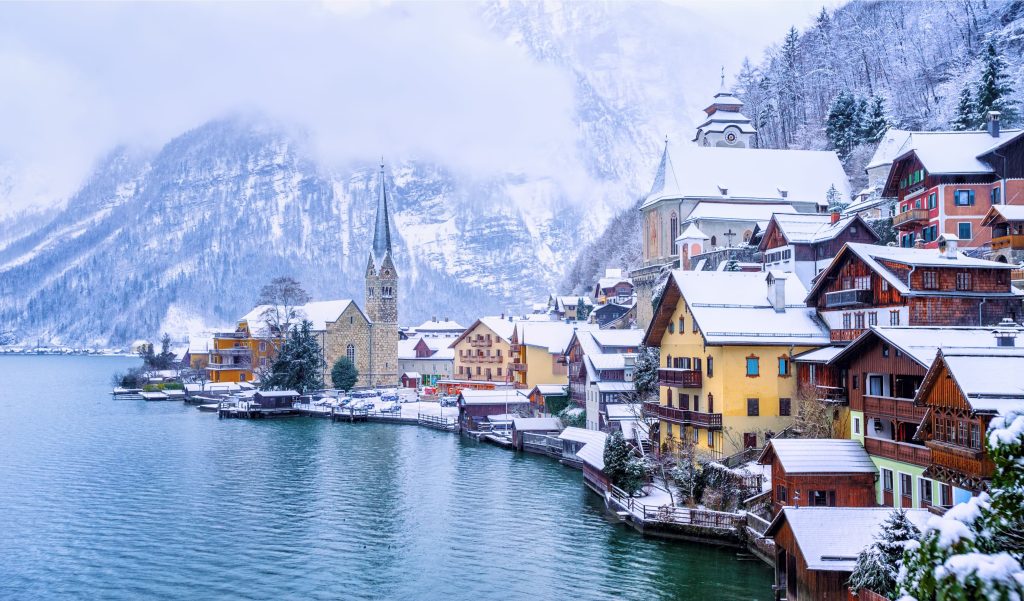
- Winter (December to February): Temperatures drop significantly, especially in Eastern and Northern Europe. Scandinavia can plunge to -20°C (-4°F), while Western Europe (France, UK, Germany) usually hovers around 0–5°C (32–41°F). Snowfall adds magic to the landscape, especially in the Alps and Central Europe.
👉 Travel Express Tip: Summer is ideal for beach lovers and outdoor enthusiasts. Winter is perfect for snow-seekers and Christmas market fans.
- Scenery & Atmosphere: Sunlight vs. Snowfall
The ambiance of Europe transforms completely between seasons.
- In Summer: Picture sun-drenched coastlines, blooming gardens, and al fresco dining. Cities are vibrant and alive—music festivals, boat parties, street performers. Lakes sparkle in Switzerland, lavender fields bloom in Provence, and the Greek Islands are postcard-perfect.
- In Winter: Europe turns into a fairy tale. Think twinkling lights, snow-covered rooftops, and the smell of mulled wine in the air. The Alps are in peak ski season, and cities like Prague, Vienna, and Munich host some of the world’s best Christmas markets.
👉 Travel Express Tip: For romantic charm and cozy vibes, winter wins. For lively energy and scenic road trips, summer takes the crown.
- Attractions & Activities: Seasonal Highlights
Europe tailors its attractions to the season, offering unique experiences all year round.
Summer Highlights:
- Island Hopping: Explore Croatia’s Dalmatian Coast, Greek islands like Santorini and Mykonos, or the Balearic Islands in Spain.
- Festivals: Don’t miss Tomorrowland in Belgium, La Tomatina in Spain, or Glastonbury in the UK.
- Hiking & Adventure: The Swiss Alps, Dolomites, and Scottish Highlands are perfect for summer trekking.
Winter Highlights:
- Skiing & Snowboarding: The Alps (France, Switzerland, Austria) and Dolomites offer world-class ski resorts.
- Christmas Markets: Wander through markets in Strasbourg, Vienna, or Nuremberg with hot cider and handmade gifts.
- Northern Lights: Head to Norway, Finland, or Iceland for a chance to see the aurora borealis dance across the sky.
👉 Travel Express Tip: Your itinerary should match the season. Outdoor lovers will thrive in summer, while cultural travelers may find winter more magical.
- Cost: Budget Considerations
Your wallet might have the final say.
- Summer: This is peak tourist season. Flights, hotels, and attractions are at their most expensive—especially in July and August. You’ll need to book months in advance for good deals.
- Winter: Aside from the Christmas/New Year peak, winter can be budget-friendly. Many cities offer off-season rates for hotels and tours. Ski destinations are an exception, as they can be quite pricey during the snow season.
👉 Travel Express Tip: Traveling in shoulder seasons (late spring or early autumn) often offers the best value with fewer crowds and pleasant weather.
- Crowds & Tourism
Let’s talk crowds—because no one likes waiting in line for hours.
- Summer: Expect throngs of tourists at major landmarks like the Eiffel Tower, Colosseum, or Sagrada Familia. Beaches, trains, and museums are packed, and you might need reservations just to get into a restaurant.
- Winter: Tourist crowds thin out dramatically. You’ll have easier access to popular spots and a more intimate experience in museums and historic sites. Just beware of limited hours or closures, especially in smaller towns.
👉 Travel Express Tip: If you want to explore cities like Paris, Rome, or Amsterdam in peace, winter is your best bet.
- Fashion & Packing
Yes, your wardrobe matters.
- Summer: Pack light clothing, sunglasses, sunscreen, and comfortable sandals. Don’t forget swimwear if you’re headed south.
- Winter: Think layers, thermal gear, waterproof boots, gloves, scarves, and coats. If you’re skiing, make sure to check the gear rental options at your resort ahead of time.
👉 Travel Express Tip: Always check the forecast before you pack—European weather can be unpredictable!
- Food & Drink
Europe’s culinary scene is incredible year-round, but the seasonal twist adds extra flavor.
- Summer Delights: Fresh seafood in Portugal, gelato in Italy, Greek salads on island terraces, and vineyard tours in France and Spain. You’ll dine outdoors, sip cocktails at beach bars, and picnic in sun-soaked parks.
- Winter Comforts: Think warm bowls of goulash in Hungary, fondue and raclette in Switzerland, schnitzel in Austria, and hearty stews across Eastern Europe. Hot drinks like Glühwein (mulled wine) or Irish coffee are seasonal favorites.
👉 Travel Express Tip: Foodies may actually prefer winter for the cozy, authentic comfort food that warms both body and soul.
- Cultural Experience & Local Life
Want a more authentic feel of European life?
- Summer: Locals often take vacations, especially in August. Some family-run shops or restaurants may close, especially in France and Italy. That said, summer festivals and outdoor gatherings are at their peak.
- Winter: Locals are more present, especially in smaller towns and cities. Holiday traditions are on full display, and cultural events like classical concerts or theater thrive indoors during the colder months.
👉 Travel Express Tip: For deep cultural immersion, winter offers fewer tourists and more interaction with locals.
- Transportation & Getting Around
Travel logistics differ quite a bit by season.
- Summer: All transportation options are in full swing. Ferries, trains, and budget airlines have frequent service. However, bookings fill quickly, and traffic can be intense near popular sites.
- Winter: Trains and flights still run regularly, but weather delays (especially due to snow) can happen. Some ferry routes and mountain passes may close, and driving in icy conditions requires experience.
Conclusion: Which Season Wins?
So, is Europe better in winter or summer? The truth is—there’s no wrong choice. It all comes down to your travel style.
- Choose summer if you love outdoor adventures, beach vacations, and buzzing city life.
- Choose winter if you’re chasing cozy charm, festive markets, and dramatic snowy landscapes.
.