
Why Trek in Northern Vietnam?
Northern Vietnam is a trekker’s paradise for several reasons:
- Scenic Diversity: From the jagged peaks of the Hoàng Liên Son mountain range to the emerald rice paddies of Mu Cang Chai and the forested valleys of Ha Giang, every region tells its own story.
- Cultural Richness: Home to over 20 ethnic minority groups—including the Hmong, Dao, Tay, and Thai—trekking here isn’t just about nature. It’s a cultural journey through ancient customs, vibrant clothing, traditional stilt houses, and warm hospitality.
- Off-the-Beaten-Path Appeal: Unlike the bustling cities of Hanoi or the tourist-saturated beaches in the south, Northern Vietnam still retains its wild, untouched charm.
Best Trekking Destinations in Northern Vietnam
- Sapa and the Hoàng Liên Son Mountains
Highlights: Terraced rice fields, ethnic villages, and the highest peak in Indochina—Fansipan.
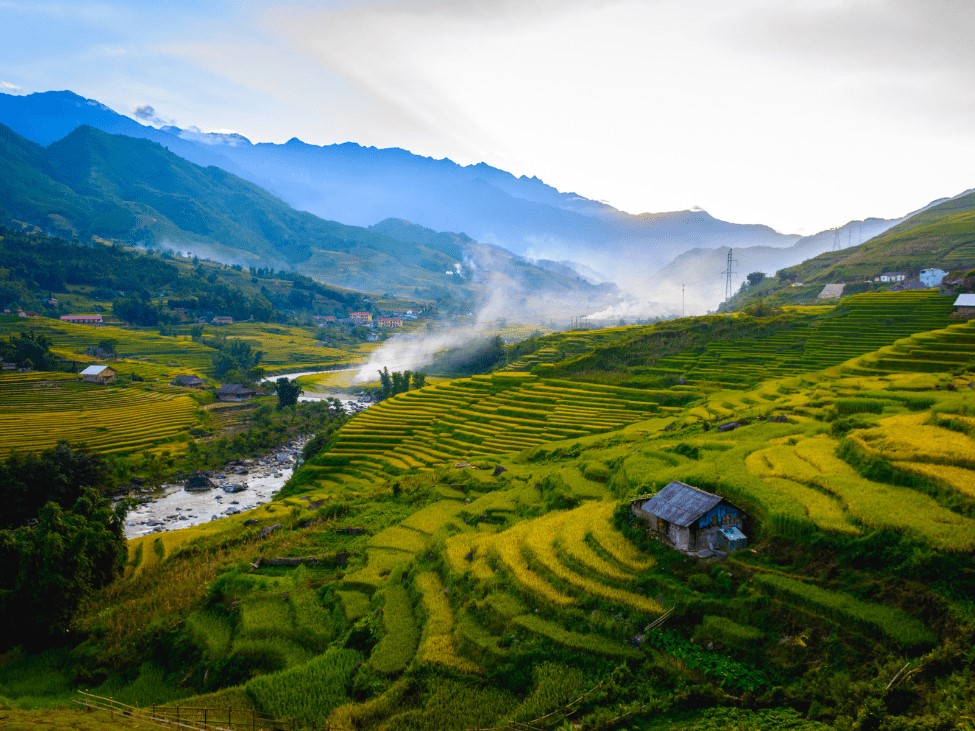
Sapa is perhaps the most famous trekking destination in Vietnam. Nestled in the mountains near the Chinese border, it’s a hub for treks through picturesque valleys dotted with Black Hmong, Red Dao, and Tay villages. The area is especially breathtaking from May to October, when the rice terraces turn from lush green to golden yellow.
Popular Treks:
- Sapa to Lao Chai and Ta Van: A moderate trek through cascading rice fields and Hmong and Dao villages.
- Sapa to Ban Ho: A longer journey through remote villages and scenic rivers.
- Fansipan Summit: At 3,147 meters, climbing the “Roof of Indochina” is a tough but rewarding adventure. You can trek up over 2–3 days or take the cable car for a shorter trip.
- Mu Cang Chai
Highlights: Iconic rice terraces, untouched villages, peaceful atmosphere.
Often overshadowed by Sapa, Mu Cang Chai is a gem for those seeking tranquility and raw beauty. Its terraced rice fields are some of the most impressive in Vietnam and have been recognized as national heritage landscapes.
Trek Tip: The best time to visit is from late September to early October, during the rice harvest. The golden fields glow under the sun, and you’ll encounter fewer tourists compared to Sapa.
- Ha Giang Loop
Highlights: Limestone karsts, winding mountain roads, ethnic culture.
The Ha Giang province offers perhaps the most dramatic and rugged landscape in Vietnam. It’s perfect for adventurous travelers who want a more isolated and authentic trekking experience.
Top Routes:
- Dong Van Karst Plateau: Trek among towering cliffs and deep valleys, with homestays in remote villages.
- Ma Pi Leng Pass: One of the most scenic mountain passes in Vietnam, offering panoramic views ideal for short treks and photo stops.
Unlike Sapa, Ha Giang is less commercialized. The people here maintain ancient customs, and their warmth and simplicity leave a lasting impression.
- Pu Luong Nature Reserve
Highlights: Bamboo forests, hidden waterfalls, stilt houses.
Located southwest of Hanoi, Pu Luong is often described as “Sapa without the crowds.” It’s a tranquil place where you can trek through forest trails, cross suspension bridges, and stay in peaceful Thai ethnic villages. The terrain is relatively gentle, making it ideal for beginner and intermediate trekkers.
When to Go
Best Trekking Seasons:
- Spring (March to May): Cool weather, blooming flowers, and lush scenery.
- Autumn (September to November): Dry and cool climate, rice harvesting season, vibrant colors.
Avoid:
- Winter (December to February): Cold and foggy in the mountains.
- Summer (June to August): Hot, humid, and prone to heavy rain and landslides.
Cultural Etiquette and Tips
Trekking in Northern Vietnam isn’t just about the physical journey—it’s a cultural immersion. Respect is key.
Do:
- Greet locals with a smile and simple Vietnamese phrases like “Xin chào” (Hello) and “Cảm ơn” (Thank you).
- Ask permission before taking photos of people.
- Dress modestly, especially in villages.
- Bring small gifts (like school supplies) if staying in homestays—it’s a nice gesture.
Don’t:
- Bargain aggressively—it’s appreciated when you support the local economy fairly.
- Enter homes uninvited or touch sacred objects like altars.
What to Pack
- Sturdy hiking boots (waterproof if possible)
- Lightweight layers: Weather can change quickly.
- Rain jacket or poncho
- Insect repellent and sunscreen
- Reusable water bottle (and purification tablets if going remote)
- Headlamp or flashlight
- Snacks and energy bars
- Trekking poles for steep or slippery trails
- Basic first-aid kit
If you’re staying in a homestay, most will provide bedding and meals, but it’s good to confirm ahead of time.
Homestay Experience: The Heart of Your Trek
One of the most enriching aspects of trekking in Northern Vietnam is staying with local families. Homestays offer a window into the daily lives of ethnic minority groups. You’ll sleep in traditional stilt houses, eat home-cooked meals (often over a wood fire), and share stories over cups of rượu ngô (corn wine).
These experiences are often the highlight for travelers—creating human connections that transcend language.
Guided vs. Independent Trekking
Guided Treks:
- Ideal for first-time visitors or those seeking deeper cultural understanding.
- Local guides often speak English and can act as translators.
- Many include meals, transport, and homestays.
Independent Treks:
- More flexible and adventurous.
- GPS apps (like Maps.me or AllTrails) can be helpful, but signage is limited in remote areas.
- Ensure you’re well-prepared and respect local boundaries.
How to Get There
From Hanoi:
- To Sapa: Overnight train to Lao Cai, then a minivan or bus to Sapa.
- To Mu Cang Chai: 7–8 hour bus ride or private car.
- To Ha Giang: 6–8 hour bus ride from Hanoi.
- To Pu Luong: 4–5 hour drive from Hanoi.
Buses, motorbike rentals, and private tours are common modes of transport. Many treks start from these towns and can be organized locally or in advance.
Sustainability and Responsible Travel
At Travel Express, we encourage travelers to explore responsibly:
- Leave no trace: Carry your trash out with you.
- Support local guides and businesses.
- Avoid plastic: Use reusable containers and bottles.
- Be mindful of water and energy use in rural areas.
These small efforts help preserve the pristine beauty and cultural integrity of the region.